

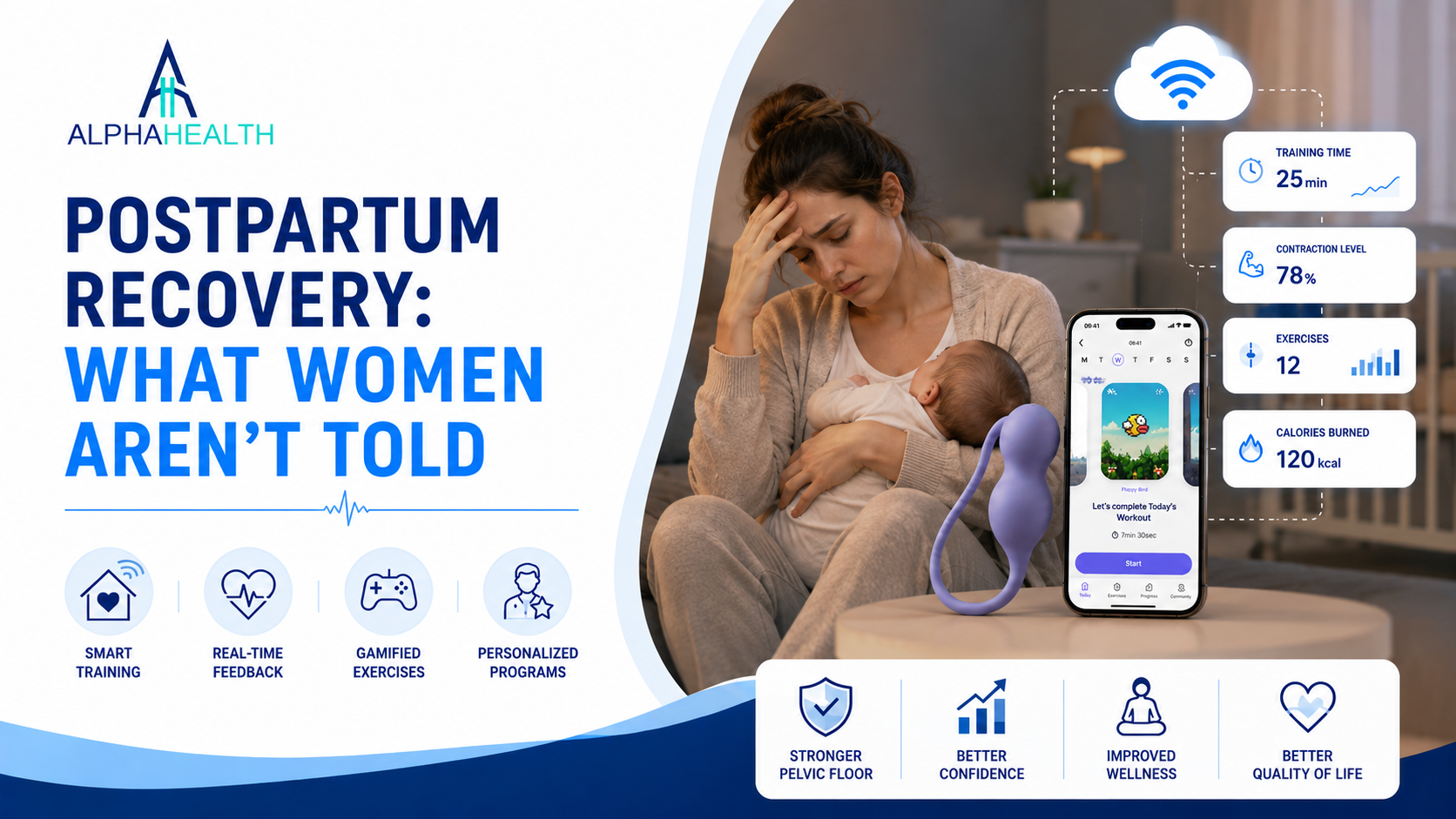
Postpartum Recovery: What Women Aren't Told

Becoming a mother is often described as one of life’s most beautiful experiences. While pregnancy and childbirth receive significant attention, what happens after delivery is rarely discussed openly. The reality is that postpartum recovery can be physically, emotionally, and mentally challenging, and many women find themselves unprepared for what follows childbirth.
The postpartum period, often referred to as the “fourth trimester,” is a critical phase where the body heals, hormones fluctuate, and a new mother adapts to caring for her baby while recovering herself. Unfortunately, many aspects of postpartum recovery remain under-discussed, leaving women feeling isolated and overwhelmed.
As women’s health technologies continue to evolve, FemTech is helping bridge this knowledge gap by offering tools, education, and personalized recovery support. Understanding what women aren’t told about postpartum recovery is the first step toward better care, confidence, and long-term health.
What Is Postpartum Recovery?
Postpartum recovery refers to the healing process that occurs after childbirth. While many assume recovery lasts only six weeks, the truth is that full recovery can take several months or even longer, depending on the individual’s health, delivery experience, and support system.
Recovery affects multiple areas, including:
- Pelvic floor health
- Hormonal balance
- Physical healing
- Emotional well-being
- Sleep patterns
- Bladder and bowel function
- Sexual health
Every woman’s journey is different, yet many experience similar challenges that are rarely discussed before delivery.
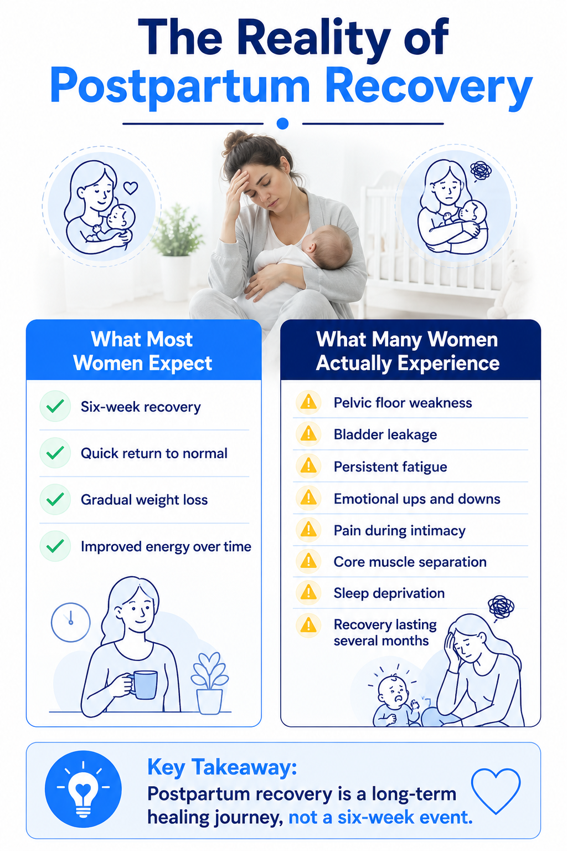
The Hidden Challenges Women Often Aren’t Told About
1. Your Pelvic Floor May Need Significant Rehabilitation
One of the biggest surprises for new mothers is the impact childbirth can have on pelvic floor muscles.
These muscles support:
- The bladder
- The uterus
- The bowel
Pregnancy and delivery place significant strain on these muscles, potentially leading to:
- Urinary leakage
- Pelvic heaviness
- Reduced core stability
- Discomfort during exercise
- Pain during intercourse
Many women assume these symptoms are simply part of motherhood, but they are often signs that the pelvic floor requires rehabilitation.
Fortunately, modern FemTech solutions such as smart pelvic floor trainers can help women rebuild strength through guided exercises and real-time feedback.
2. Bladder Leaks Are Common—But Not Normal
Many women are told to expect bladder leaks after childbirth.
Common triggers include:
- Sneezing
- Laughing
- Coughing
- Jumping
- Exercising
While common, urinary incontinence should not be accepted as a permanent condition.
Early pelvic floor training and monitoring can significantly improve recovery outcomes and help women regain confidence in daily activities.
3. Core Muscles May Separate During Pregnancy
A condition called Diastasis Recti affects many women after childbirth.
It occurs when the abdominal muscles separate to accommodate the growing baby.
Symptoms may include:
- A visible abdominal bulge
- Lower back pain
- Weak core strength
- Difficulty lifting objects
- Poor posture
Many women mistakenly believe they simply need to “work out harder,” but inappropriate exercises can worsen the condition.
Proper assessment and guided rehabilitation are essential for recovery.
4. Recovery Isn’t Just Physical
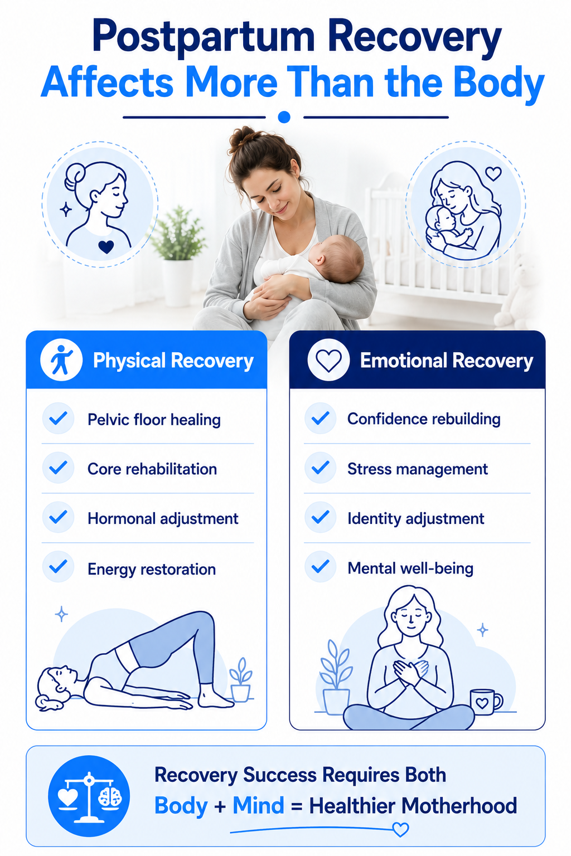
Postpartum recovery is often viewed through a physical lens, but emotional recovery is equally important.
New mothers commonly experience:
- Anxiety
- Mood swings
- Irritability
- Overwhelm
- Self-doubt
These feelings are often intensified by:
- Sleep deprivation
- Hormonal changes
- Increased responsibilities
- Social pressure to appear happy
Acknowledging these emotions and seeking support is a vital part of healing.
5. Hormones Can Create Unexpected Changes
After delivery, estrogen and progesterone levels drop dramatically.
This hormonal shift can contribute to:
- Night sweats
- Hair loss
- Mood changes
- Skin changes
- Fatigue
- Vaginal dryness
Many women worry these symptoms indicate a health problem, but they are often part of the normal postpartum adjustment process.
However, persistent or severe symptoms should always be discussed with a healthcare provider.
6. Intimacy May Feel Different
One of the least discussed aspects of postpartum recovery is the effect on sexual health.
Women may experience:
- Vaginal dryness
- Pelvic discomfort
- Reduced libido
- Anxiety about intimacy
Physical healing, hormonal changes, and emotional adjustments all influence sexual wellness.
Open communication, patience, and proper pelvic floor rehabilitation can support a healthier return to intimacy.
7. Sleep Deprivation Has Real Health Consequences
Lack of sleep is often treated as a normal part of parenting, but chronic sleep deprivation affects:
- Healing
- Immune function
- Mood regulation
- Cognitive performance
- Stress management
Sleep challenges can intensify physical and emotional recovery difficulties, making support systems essential during the postpartum period.
How FemTech Is Transforming Postpartum Recovery
Women’s health technology is helping mothers recover more effectively by providing personalized, accessible support.
Modern FemTech solutions offer:
Smart Pelvic Floor Training
Devices with biofeedback help women perform exercises correctly and track progress over time.
Digital Recovery Programs
Mobile applications provide guided recovery plans tailored to each stage of postpartum healing.
Remote Monitoring
Healthcare providers can monitor recovery progress without requiring frequent clinic visits.
Personalized Insights
Data-driven tools help women understand their recovery patterns and identify concerns earlier.
Why Pelvic Floor Monitoring Matters
Many women perform Kegel exercises incorrectly without realizing it.
Smart pelvic health technologies can provide:
✅ Real-time feedback
✅ Exercise guidance
✅ Progress tracking
✅ Motivation through gamification
✅ Personalized training plans
These innovations make recovery more engaging and effective while helping women build confidence in their progress.
Signs You Should Seek Professional Help
While postpartum recovery varies, certain symptoms warrant medical attention:
- Persistent urinary leakage
- Severe pelvic pain
- Heavy bleeding
- Signs of infection
- Extreme fatigue
- Persistent depression or anxiety
- Painful intercourse months after delivery
Early intervention often leads to better recovery outcomes.
Building a Better Postpartum Recovery Journey
The biggest misconception about postpartum recovery is that women should simply “bounce back” after childbirth. Recovery is not a race, and every mother’s timeline is different.
Women deserve access to:
- Better education
- Pelvic health awareness
- Emotional support
- Modern recovery technologies
- Personalized care plans
By openly discussing postpartum challenges and embracing innovations in women’s health technology, we can create a future where mothers feel informed, supported, and empowered throughout their recovery journey.
Conclusion
Postpartum recovery involves far more than healing from childbirth. It affects physical health, emotional well-being, pelvic floor function, hormonal balance, and overall quality of life. Yet many women enter motherhood without understanding what recovery truly entails.
The rise of FemTech is helping change this narrative by providing smarter, more personalized tools that support recovery beyond the hospital stay. As awareness grows, women can move from simply surviving postpartum recovery to actively thriving during one of the most important transitions of their lives.
Alpha Health brings to the UAE Perifit Care+ because , we believe every woman deserves access to innovative healthcare solutions, education, and support that empower her recovery journey and long-term well-being.