

Remote Patient Monitoring: Improving Care Beyond Hospital Walls
Healthcare is no longer confined to hospitals and clinics. With rapid advancements in digital health technologies, Remote Patient Monitoring (RPM) is transforming how care is delivered—making it more accessible, efficient, and patient-centric. From managing chronic conditions to enabling faster recovery at home, RPM is redefining the boundaries of modern healthcare.
What is Remote Patient Monitoring?
Remote Patient Monitoring refers to the use of connected medical devices and digital technologies to collect patient health data outside traditional healthcare settings. This data such as heart rate, blood pressure, oxygen levels, or glucose readings is securely transmitted to healthcare providers in real-time.
Instead of requiring frequent in-person visits, RPM allows doctors to monitor, assess, and intervene from a distance, ensuring timely care without disrupting patients’ daily lives.
How Remote Patient Monitoring Works
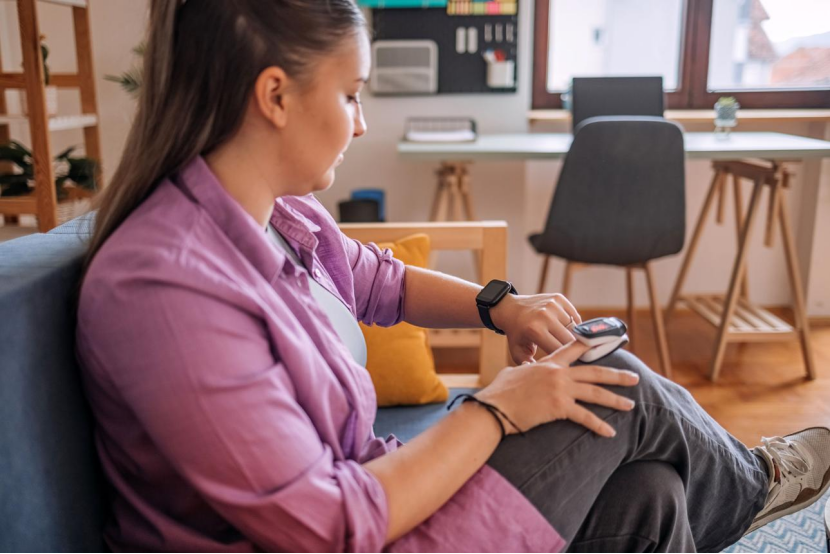
The RPM process typically involves:
- Data Collection : Patients use devices like wearable trackers, smart blood pressure monitors, or glucose meters to record health metrics.
- Data Transmission : The collected data is automatically sent to a secure cloud-based platform.
- Data Analysis : Healthcare providers review the data through dashboards and analytics tools.
- Clinical Intervention : If abnormalities are detected, providers can take immediate action—whether it’s adjusting medication, scheduling a consultation, or recommending lifestyle changes.
Key Benefits of Remote Patient Monitoring
1. Improved Patient Outcomes
Continuous monitoring enables early detection of potential health issues, reducing complications and hospital readmissions.
2. Enhanced Convenience
Patients can receive high-quality care from the comfort of their homes, eliminating the need for frequent hospital visits.
3. Better Chronic Disease Management
RPM is especially effective for conditions like diabetes, hypertension, and heart disease, where consistent tracking is essential.
4. Reduced Healthcare Costs
By preventing hospitalizations and emergency visits, RPM helps lower overall healthcare expenses for both patients and providers.
5. Increased Patient Engagement
With real-time insights into their health, patients become more aware and proactive in managing their well-being.
Applications of Remote Patient Monitoring
Remote Patient Monitoring is widely used across various medical scenarios:
- Chronic Disease Management[Text Wrapping Break]Continuous tracking of vital signs helps manage long-term conditions effectively.
- Post-Surgical Care[Text Wrapping Break]Patients recovering from surgery can be monitored at home, reducing hospital stays.
- Elderly Care[Text Wrapping Break]RPM provides safety and independence for aging populations while keeping caregivers informed.
- Maternal Health[Text Wrapping Break]Monitoring during pregnancy ensures timely detection of complications.
The Role of Smart Technology in RPM
Modern RPM systems are powered by innovations such as:
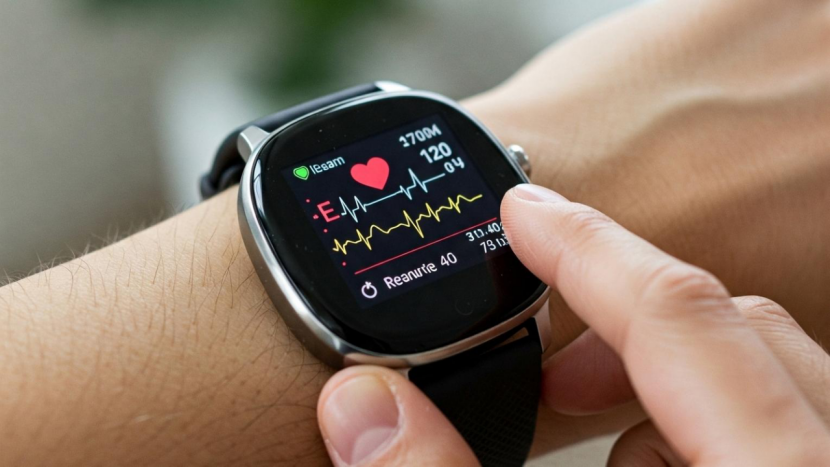
- Wearable Devices – Smartwatches and fitness bands that track vital signs in real time.
- IoT-Enabled Medical Devices – Connected tools that sync seamlessly with healthcare platforms.
- Artificial Intelligence (AI) – Predictive analytics to identify risks before they become critical.
- Telehealth Integration – Combining monitoring with virtual consultations for complete remote care.
These technologies work together to create a connected healthcare ecosystem that bridges the gap between patients and providers.
Challenges and Considerations
While RPM offers numerous advantages, there are some challenges to address:
- Data Privacy & Security – Ensuring patient data is protected is crucial.
- Technology Adoption – Some patients may find it difficult to use digital devices.
- Connectivity Issues – Reliable internet access is necessary for seamless monitoring.
- Integration with Healthcare Systems – Aligning RPM with existing clinical workflows can be complex.
Addressing these challenges is key to unlocking the full potential of remote healthcare solutions.
The Future of Remote Patient Monitoring
The future of RPM is incredibly promising. As technology continues to evolve, we can expect:
- More advanced wearable devices with greater accuracy
- Increased use of AI-driven predictive care
- Seamless integration with electronic health records (EHRs)
- Expansion of home-based healthcare services
Ultimately, RPM will play a central role in shifting healthcare from a reactive model to a proactive and preventive approach.
Conclusion
Remote Patient Monitoring is more than just a technological advancement—it’s a fundamental shift in how healthcare is delivered. By extending care beyond hospital walls, RPM empowers patients, supports healthcare providers, and improves outcomes across the board.
As the demand for accessible and efficient healthcare grows, embracing remote monitoring solutions will be essential for building a healthier, more connected future.