

Breastfeeding and Maternal Health: How It Supports Postpartum Recovery
Breastfeeding is widely recognized for the powerful benefits it provides to babies, from optimal nutrition to immune protection. However, its impact on a mother’s health is just as significant. During the postpartum period, a woman’s body undergoes intense physical and emotional changes, and breastfeeding plays a vital role in supporting recovery, balance, and long-term well-being.
This article explores how breastfeeding supports maternal health during postpartum recovery, including physical healing, emotional stability, and overall wellness.
Understanding Postpartum Recovery
After childbirth, the body begins the process of healing and returning to its pre-pregnancy state. The uterus must contract back to its normal size, hormone levels shift rapidly, and energy demands increase. Many mothers also experience emotional fluctuations, fatigue, and stress during this time.
Breastfeeding supports this transition naturally by activating hormones and biological processes that aid recovery and promote stability.
Uterine Recovery and Reduced Postpartum Bleeding
One of the most immediate benefits of breastfeeding is its role in uterine recovery.
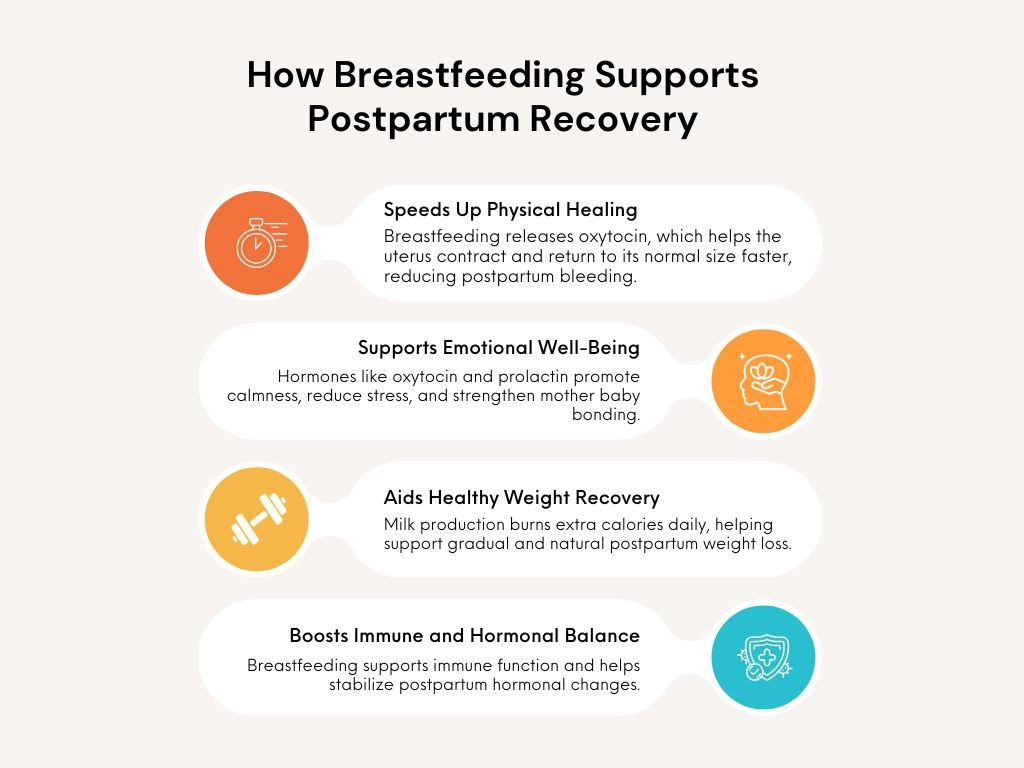
When a baby breastfeeds, the mother’s body releases oxytocin. This hormone causes the uterus to contract, helping it shrink back to its original size more efficiently. These contractions also help reduce postpartum bleeding by closing blood vessels at the placental site.
As a result, breastfeeding can lower the risk of excessive bleeding and support faster physical healing after delivery.
Hormonal Support and Emotional Well-Being
Breastfeeding triggers the release of oxytocin and prolactin, two hormones that significantly influence a mother’s emotional health.
Oxytocin promotes bonding between mother and baby while also reducing stress and anxiety. It creates a calming effect that helps mothers feel more relaxed and emotionally connected.
Prolactin, which supports milk production, has a soothing effect on the nervous system. Higher prolactin levels are associated with reduced stress responses and increased feelings of nurturing and care.
Together, these hormones contribute to emotional balance and may help reduce the risk of postpartum mood disorders.
Immune Health and Reduced Infection Risk
Breastfeeding can positively influence a mother’s immune system during the postpartum period.
Regular breastfeeding supports circulation and hormonal balance, which may help lower the risk of postpartum infections such as uterine infections or mastitis. Some research suggests that prolactin may also support immune function, helping the body recover more effectively after childbirth.
Postpartum Weight Management and Metabolic Health
Breastfeeding requires additional energy, with milk production burning approximately 300 to 500 calories per day. This increased energy demand helps the body use stored fat accumulated during pregnancy.
While weight loss varies from person to person, breastfeeding can support gradual and healthy postpartum weight reduction when combined with proper nutrition and rest.
Long-term breastfeeding has also been linked to a lower risk of metabolic conditions such as type 2 diabetes and cardiovascular disease, contributing to improved overall health later in life.
Bone Health and Long-Term Physical Benefits
During pregnancy and breastfeeding, calcium is redirected to support the baby’s development, which may temporarily affect bone density. However, research shows that bone density typically recovers after breastfeeding ends.
Women who breastfeed may also experience a lower risk of osteoporosis and fractures later in life, indicating long-term protective benefits for skeletal health.
Breastfeeding and Postpartum Depression
Postpartum depression affects many new mothers and can impact emotional health and daily functioning. Breastfeeding influences mental health in several ways.
The hormonal response triggered by breastfeeding supports emotional regulation and stress reduction. Many mothers also experience increased confidence and emotional satisfaction through breastfeeding and bonding.
However, breastfeeding challenges such as pain, low milk supply, or lack of support can contribute to emotional distress. Early guidance, education, and emotional support are essential to ensure breastfeeding remains a positive experience.
Bonding and Emotional Connection
Breastfeeding encourages close physical contact, skin-to-skin connection, and eye contact between mother and baby. These moments strengthen emotional bonding and enhance feelings of attachment.
This connection can improve maternal confidence, increase emotional satisfaction, and support a nurturing postpartum environment that benefits both mother and child.
Practical Tips to Support Breastfeeding and Recovery
To maximize the benefits of breastfeeding during postpartum recovery, mothers can follow these supportive practices:
- Maintain comfortable positioning during feeds
- Use nursing pillows or supportive seating
- Stay hydrated and eat nutrient-rich meals
- Rest whenever possible and accept help from others
- Seek guidance from lactation consultants early
- Address discomfort or feeding challenges promptly
Support systems play a crucial role in making breastfeeding sustainable and beneficial.
When Breastfeeding Is Not Possible
Not all mothers are able to breastfeed due to medical, physical, or personal reasons. Maternal health and emotional well-being should always remain the priority.
Bonding and nurturing can still be achieved through skin-to-skin contact, responsive feeding, and consistent caregiving. A healthy and supported mother is the foundation of postpartum recovery, regardless of feeding method.
Long-Term Health Benefits for Mothers
Beyond postpartum recovery, breastfeeding is associated with long-term maternal health benefits, including:
- Reduced risk of breast and ovarian cancers
- Improved cardiovascular health
- Better metabolic regulation
- Enhanced emotional resilience
These benefits highlight breastfeeding as a valuable contributor to lifelong maternal wellness.
Final Thoughts
Breastfeeding offers powerful support for postpartum recovery by promoting physical healing, emotional balance, and long-term health. While the journey may come with challenges, proper support and compassionate care can make a meaningful difference.
Every mother’s experience is unique, and there is no single right path. What matters most is prioritizing health, seeking support, and allowing space for healing and growth during this transformative stage of life.