

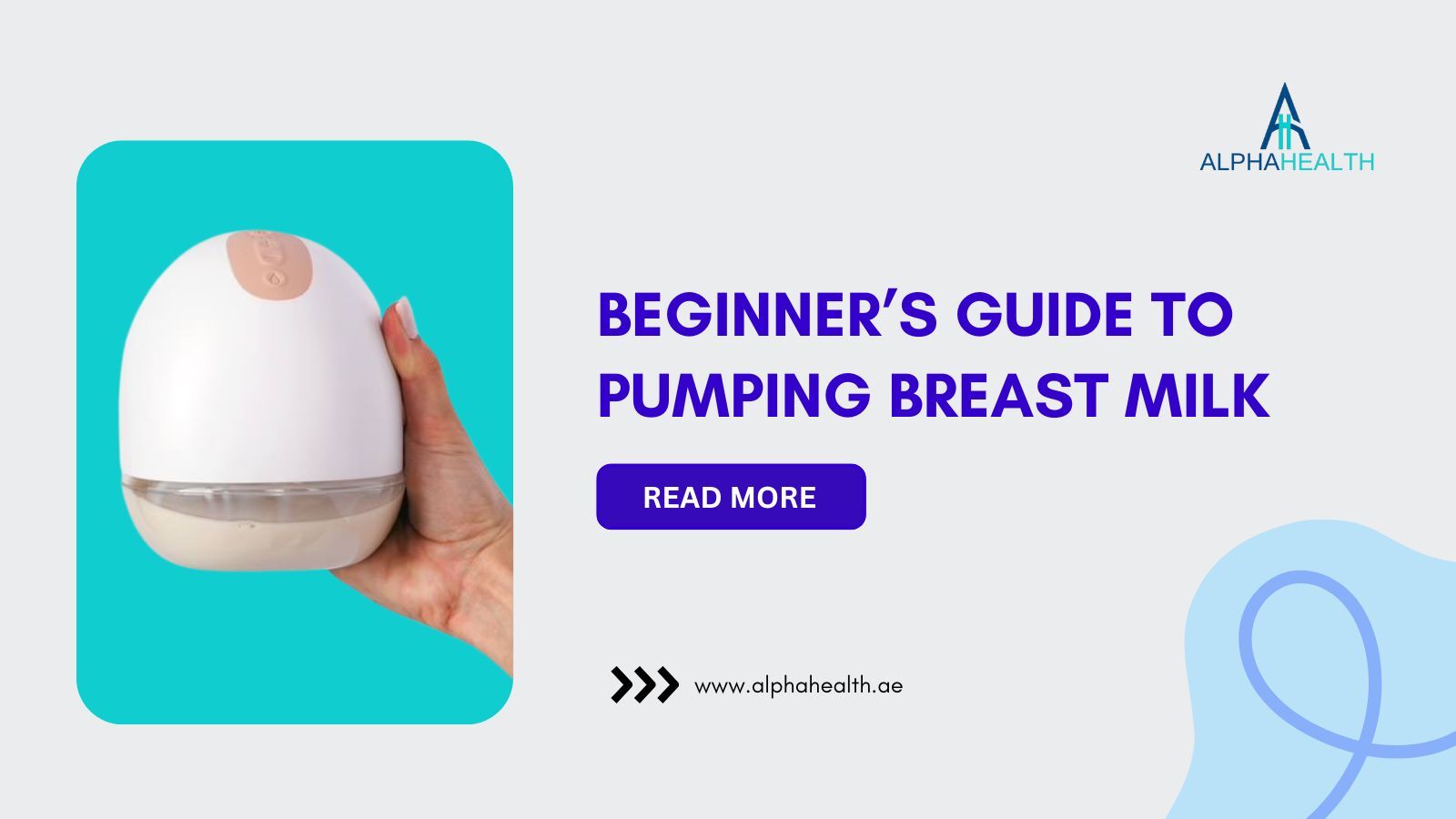
Beginner’s Guide to Pumping Breast Milk
Breastfeeding is a beautiful journey, but it doesn’t always follow a predictable schedule. Whether you’re returning to work, managing low supply, or simply want your partner to help with feedings, pumping breast milk can offer flexibility while maintaining the incredible benefits of breastfeeding. This beginner’s guide covers everything you need to know to start pumping with confidence.
Why Pump Breast Milk?
There are several reasons new moms choose to pump breast milk:
- Flexibility & Freedom: Pumping lets others feed your baby, giving you time to rest or step away.
- Boost Supply: Regular pumping can help stimulate and maintain milk supply.
- Back-to-Work Transition: Working mothers can continue providing breast milk even when apart.
- Medical or Latching Issues: If the baby has difficulty latching or you’re recovering from birth trauma, pumping ensures your baby still gets the nourishment.
- Milk Storage for Future Use: You can build a stash for emergencies or when you’re away.
When Should You Start Pumping?
First Few Weeks: If breastfeeding is going well, most moms wait 3–4 weeks before introducing a pump to avoid nipple confusion.
Earlier Pumping: In cases of premature birth, low supply, or latching difficulties, doctors may recommend pumping earlier to stimulate production.
How Often Should You Pump?
- Exclusively Pumping Moms: Aim for every 2–3 hours (8–12 sessions/day) to mimic a newborn’s feeding pattern.
- Mixed Feeding Moms: Pump between feedings, preferably 1–1.5 hours after nursing.
- Returning to Work: Try to pump during regular feeding intervals to keep up supply.
How to Pump Correctly – Step-by-Step
- Wash your hands and clean the pump parts.
- Find a comfortable, private space.
- Center the flanges over your nipples properly.
- Start with a gentle suction (stimulation phase), then move to expression mode.
- Pump for 15–20 minutes per breast or until milk flow slows.
- Store milk in clean, labeled containers.
- Clean all parts immediately after use.
How to Store Pumped Breast Milk
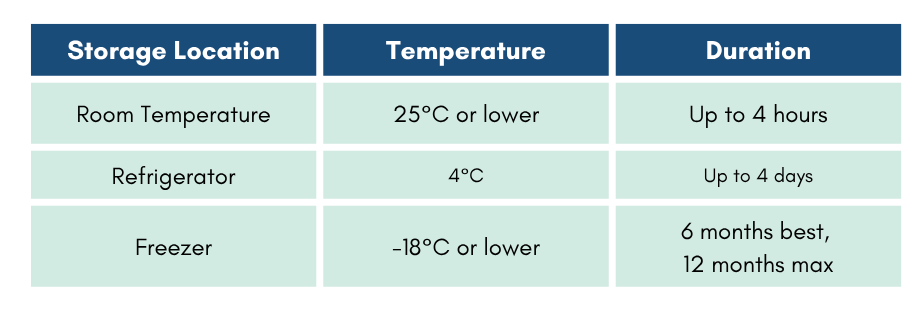
Use storage bags or BPA-free bottles, and always label with the date. Thaw milk in the fridge overnight or by placing it in warm water – never microwave.
Choosing the Right Breast Pump
There are three main types:
- Manual Pumps: Affordable, but time-consuming and labor-intensive.
- Electric Pumps: Efficient and powerful, great for regular pumping.
- Wearable/Hands-Free Pumps: Ultimate convenience for multitasking moms.
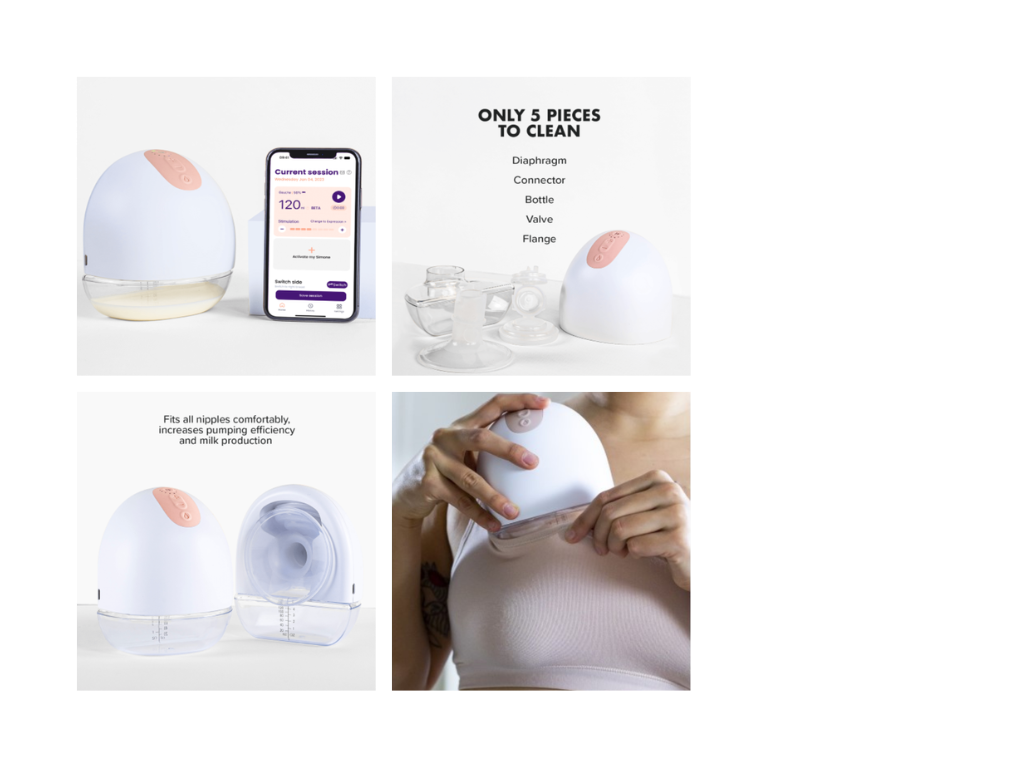
Alpha Health’s Perifit Breast Pump
Pumping, Reinvented for Modern Moms
Gone are the days when breast pumping meant being tethered to a wall outlet, fumbling with tubes, or awkwardly excusing yourself from the room. The Perifit Pump by Alpha Health is a revolutionary upgrade for moms who demand freedom, comfort, and convenience in their breastfeeding journey.
Completely wireless and truly hands-free, the Perifit Pump is designed to fit seamlessly into your bra, allowing you to pump discreetly without interrupting your day. Whether you’re working at your desk, taking a walk, commuting, or simply relaxing at home, Perifit lets you express milk effortlessly anytime, anywhere.
There’s no need to change your outfit or find a private corner. The low-noise technology ensures silent pumping, while the sleek, wearable design stays hidden under your clothing. It gives you the confidence to pump in public or during meetings without drawing attention.
More than just a gadget, the Perifit Pump is a lifestyle companion for today’s multitasking mom. With intuitive controls, multiple suction levels, and smart battery life, it’s built to support your pumping goals without compromising on comfort or efficiency.
Whether you’re a new mom building your freezer stash or a working professional juggling deadlines and diaper changes, the Perifit Pump by Alpha Health makes pumping less of a chore and more of a freedom tool, so you can stay connected to your baby without disconnecting from your life.
Tips for First-Time Pumping Moms
- Stay relaxed: Stress can affect milk letdown. Try deep breathing or gentle music.
- Hydrate & nourish: Drink plenty of water and eat well to support milk production.
- Use breast massage: Before and during pumping to stimulate flow.
- Don’t compare output: Every mom is different. It’s not just about ounces, consistency matters more.
- Be patient: Your body is learning too. With time, it gets easier.
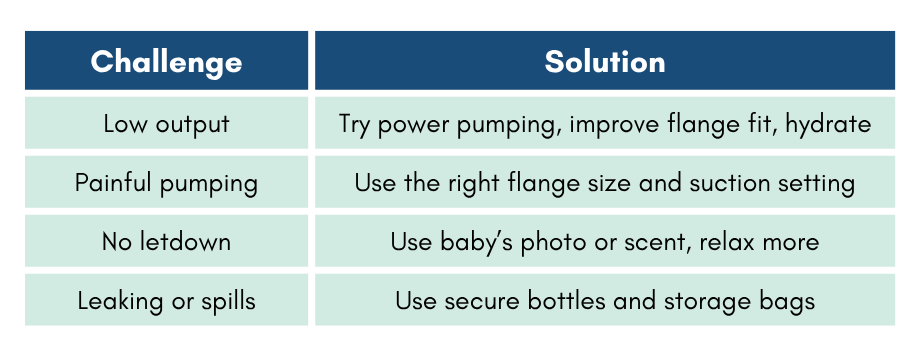
Common Pumping Challenges and Solutions
Conclusion: Make Pumping Work for You
Pumping breast milk doesn’t have to be overwhelming. With the right tools, support, and mindset, it can be an empowering part of your motherhood journey. And with innovative products like Alpha Health’s Perifit Pump, you don’t have to pause your life for pumping. It can happen seamlessly in the background, while you live freely in the moment.