
From Hospital to Home: The Rise of At-Home Patient Monitoring Devices
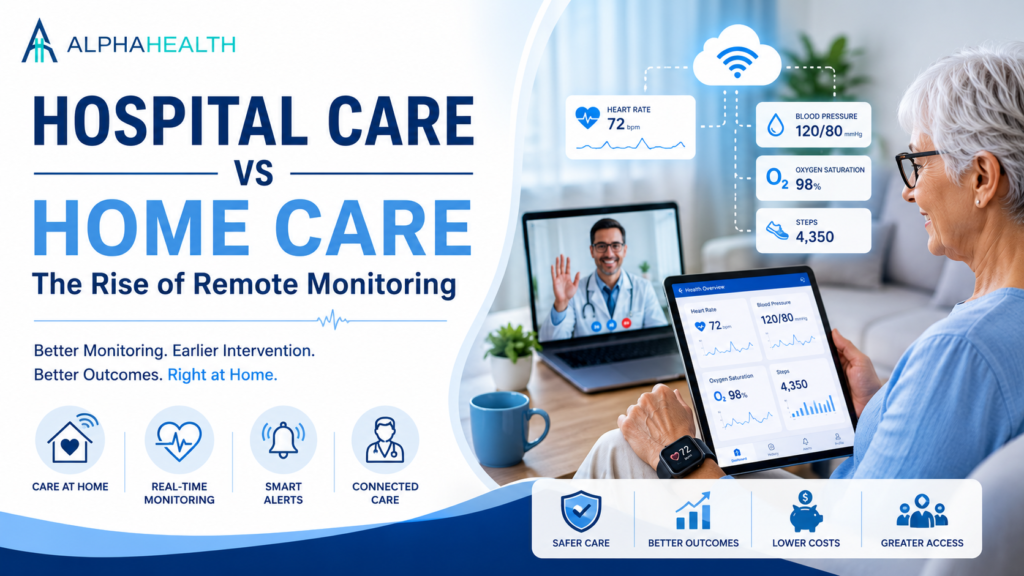
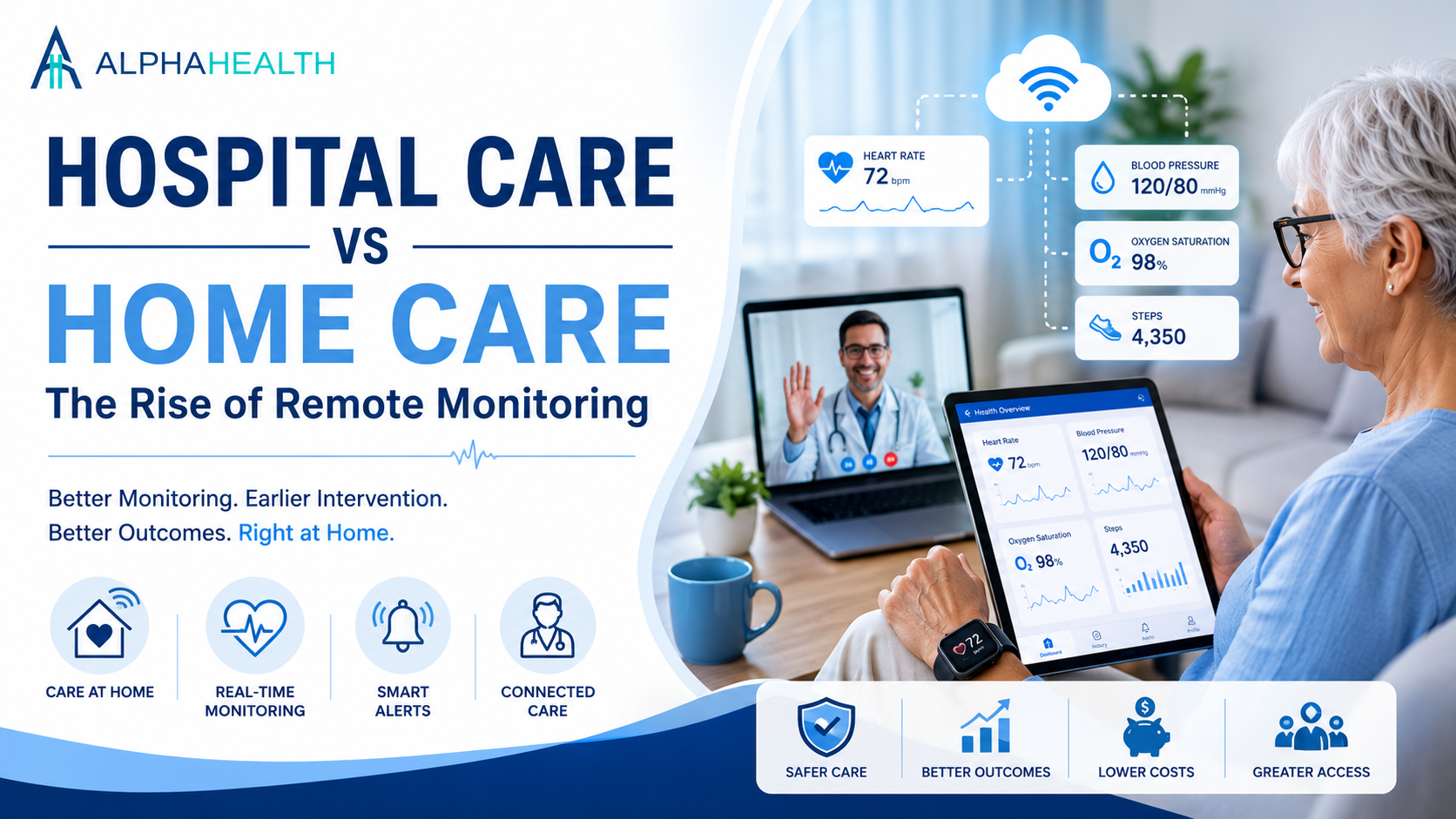
Healthcare is rapidly moving beyond the walls of hospitals. With the rise of Remote Patient Monitoring (RPM), patients can now receive continuous care from the comfort of their homes while doctors track their health in real time. From chronic disease management to post-surgery recovery, remote monitoring is reshaping how healthcare is delivered worldwide.
The shift toward home-based care accelerated during the COVID-19 pandemic, but today it has become a long-term healthcare strategy focused on improving patient outcomes, reducing hospital burden, and enhancing convenience. Studies show that RPM can support early detection of health deterioration, reduce hospital readmissions, and improve patient safety.
What Is Remote Patient Monitoring?
Remote Patient Monitoring refers to the use of connected medical devices and digital technologies that collect patient health data outside traditional clinical settings and send it securely to healthcare professionals for review.
These systems can monitor:
- Heart rate
- Blood pressure
- Oxygen saturation
- Blood glucose levels
- Respiratory rate
- Temperature
- Sleep and activity patterns
Healthcare teams can then analyze this data remotely and intervene quickly if abnormalities appear.
Traditional Hospital Care: Strengths and Limitations
Hospitals remain essential for emergency treatment, surgeries, intensive care, and complex medical procedures. They provide immediate access to specialized staff, advanced diagnostic equipment, and critical care support.
Advantages of Hospital Care
- 24/7 medical supervision
- Immediate emergency response
- Access to specialists and advanced technology
- Better suited for critical and unstable patients
Challenges of Hospital-Based Care
Despite these benefits, prolonged hospital stays can create several challenges:
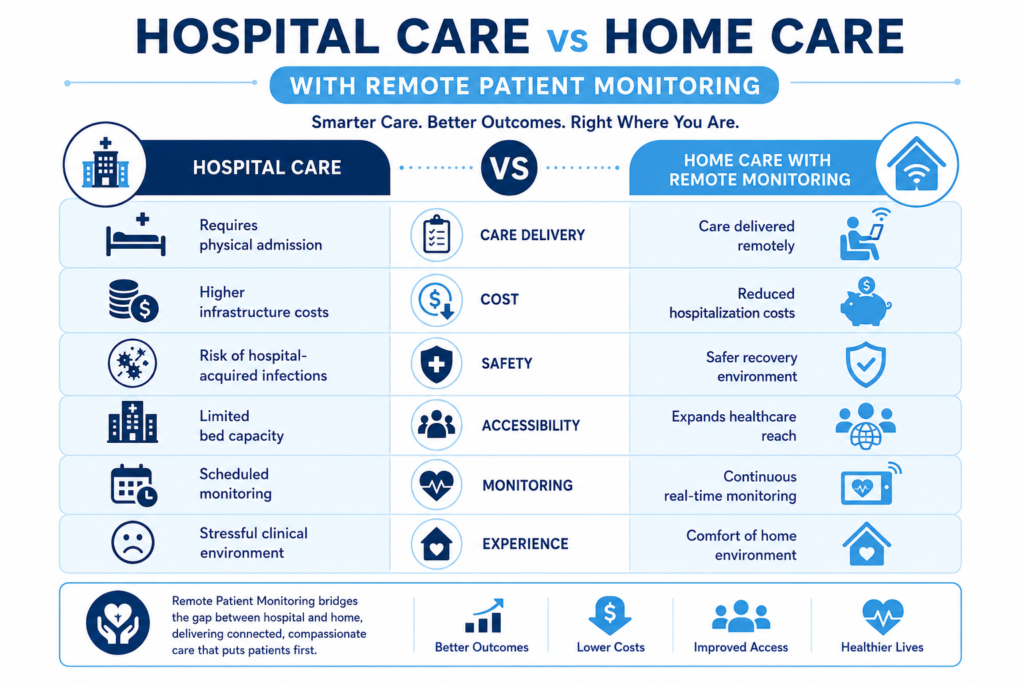
- Increased healthcare costs
- Limited hospital bed availability
- Risk of hospital-acquired infections
- Patient discomfort and emotional stress
- Frequent readmissions for chronic conditions
Healthcare systems across the world are facing growing pressure due to aging populations and increasing chronic diseases. This is where remote monitoring is creating a major shift.
The Rise of Home-Based Remote Monitoring
Remote monitoring is transforming home care into an extension of the hospital. Patients recovering at home can still remain connected to healthcare providers through wearable devices, mobile apps, and cloud-based monitoring systems.
Modern RPM solutions allow healthcare professionals to:
- Detect health deterioration earlier
- Reduce unnecessary hospital visits
- Monitor chronic diseases continuously
- Support elderly and high-risk patients
- Improve post-discharge recovery
According to recent systematic reviews, RPM programs have shown positive effects on patient safety, adherence, quality of life, and reduced hospitalization rates.
Why Patients Prefer Home Care Monitoring
Many patients feel more comfortable recovering in familiar surroundings. Home care with RPM provides a balance between independence and medical supervision.
Key Patient Benefits
1. Comfort and Convenience
Patients recover in a familiar environment surrounded by family and emotional support.
2. Reduced Hospital Visits
Continuous remote monitoring minimizes unnecessary clinic visits and readmissions.
3. Faster Recovery
Studies suggest that patients often recover better psychologically at home than in hospital environments.
4. Better Chronic Disease Management
RPM is highly effective for diabetes, hypertension, heart disease, COPD, and elderly care.
5. Early Detection of Complications
Real-time alerts allow healthcare providers to intervene before conditions worsen.
Benefits for Hospitals and Healthcare Providers
Remote monitoring is not only beneficial for patients—it also helps healthcare systems operate more efficiently.
Reduced Bed Occupancy
Stable patients can continue recovery at home while hospitals reserve beds for critical cases.
Lower Readmission Rates
Continuous monitoring helps identify risks earlier and prevents complications.
Improved Operational Efficiency
Doctors and nurses can track multiple patients remotely using centralized dashboards and automated alerts.
Enhanced Data-Driven Care
RPM provides continuous streams of patient data, helping clinicians make informed decisions.
Healthcare organizations increasingly view RPM as a critical tool for managing rising patient demand and workforce shortages.
The Technology Behind Remote Monitoring
The growth of RPM is powered by advancements in healthcare technology and artificial intelligence.
Common technologies include:
- Wearable health devices
- Smart sensors
- Wireless monitoring systems
- AI-powered health analytics
- Mobile health applications
- Cloud-based patient dashboards
AI-enabled monitoring systems can identify patterns, predict health deterioration, and improve personalized care delivery.
Challenges of Remote Patient Monitoring
While RPM offers significant benefits, there are still challenges that healthcare providers must address.
Technology Accessibility
Some elderly or non-technical patients may struggle with digital devices.
Data Privacy and Security
Protecting sensitive patient health information is critical.
Internet Connectivity
Reliable connectivity is essential for uninterrupted monitoring.
Integration into Clinical Workflows
Healthcare providers need systems that integrate smoothly into daily operations.
Despite these challenges, ongoing innovation continues to improve the usability and accessibility of remote healthcare technologies.
The Future of Healthcare Is Hybrid
The future of healthcare is not about replacing hospitals—it is about creating a hybrid care model where hospitals and home care work together seamlessly.
Hospital-at-home programs, virtual wards, and AI-driven monitoring systems are already becoming part of modern healthcare infrastructure across the globe.
Remote patient monitoring enables healthcare providers to deliver safer, smarter, and more personalized care beyond hospital walls.
Conclusion
Remote Patient Monitoring is redefining healthcare delivery by bridging the gap between hospital care and home care. While hospitals remain essential for acute and emergency treatment, RPM allows many patients to receive continuous, high-quality care from the comfort of their homes.
As healthcare systems continue evolving, remote monitoring will play a major role in improving patient outcomes, reducing healthcare costs, and making care more accessible and proactive.
The rise of remote monitoring is not just a technological advancement—it is the future of connected healthcare.