


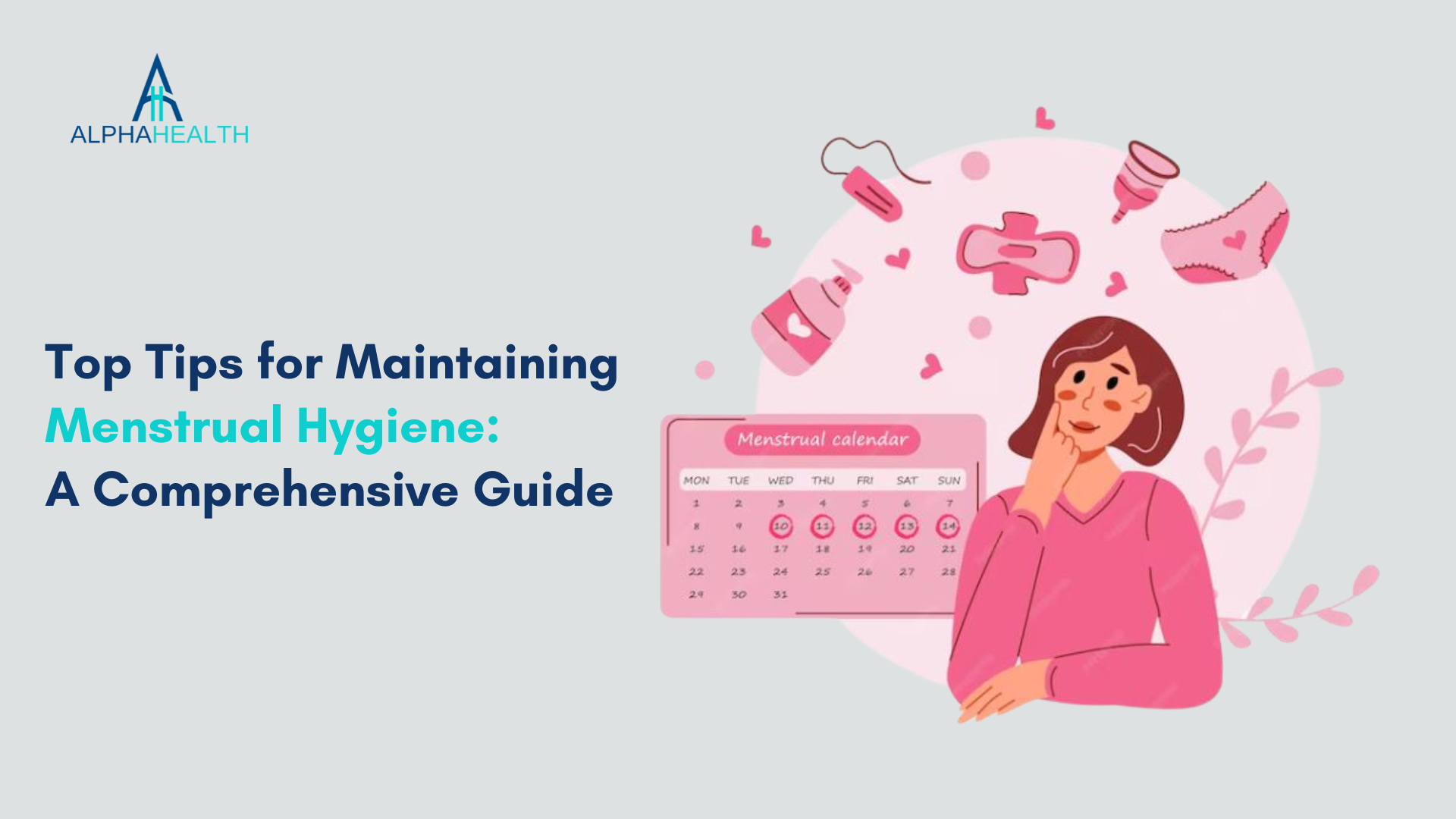
Top Tips for Maintaining Menstrual Hygiene: A Comprehensive Guide
Menstrual hygiene is an essential part of women’s health, affecting not just physical well-being but also emotional and social aspects. Good menstrual hygiene practices can prevent infections, ensure comfort, and empower women to manage their periods confidently. Unfortunately, cultural taboos and misinformation surrounding menstruation often lead to poor hygiene practices and a lack of access to proper products and education. This guide explores the top menstrual hygiene tips, begin with selecting the right products to understanding reproductive health and creating a positive menstrual experience.
Why is Menstrual Hygiene Important
Maintaining good menstrual hygiene is crucial for the overall health. Poor menstrual hygiene can cause infections, skin irritations, and reproductive complications. Additionally, societal taboos and misinformation often limit access to proper products and education thus making it important to raise awareness and promote positive menstrual health practices. Proper hygiene not only reduces health risks but also boosts confidence and self-esteem during menstruation.
Understanding the importance of menstrual hygiene helps break down stigmas and empowers women to take control of their health. It ensures that they are better equipped to choose the right products, manage their periods effectively, and feel comfortable and supported throughout their menstrual cycles.
Choosing the Right Menstrual Products
Different menstrual hygiene products cater to varying needs. Choosing the right product can depend on factors like flow, comfort, and lifestyle. Here’s a brief overview of the available options:
- Sanitary Pads: These are the most commonly used product and come in different sizes and absorbencies. They are easy to use, but some may find them bulky and uncomfortable for long durations.
- Tampons: Ideal for active lifestyles, tampons are discreet and provide more freedom. However, they must be changed every 4-6 hours to avoid the risk of Toxic Shock Syndrome (TSS).
- Menstrual Cups: Reusable cups made from medical-grade silicone that can be worn for up to 12 hours. They are eco-friendly, cost-effective in the long run, and require proper cleaning and care.
- Period Underwear: Built-in absorbency layers offer protection without the need for additional products. They are comfortable but can be expensive initially.
- Cloth Pads: Reusable and made from clean fabric, cloth pads are eco-friendly and gentle on the skin. They need to be washed and dried properly after each use.
When choosing a product, consider factors like your flow, lifestyle, potential allergies, and environmental impact.
Best Practices for Using Menstrual Products
To maintain hygiene and avoid infections, it’s essential to use menstrual products correctly:
- Change Frequency: Replace sanitary pads and tampons every 4-6 hours, and empty menstrual cups every 8-12 hours. This helps prevent bacterial growth, odor, and discomfort.
- Preventing Toxic Shock Syndrome (TSS): Avoid using high-absorbency tampons for extended periods. Alternate between tampons and pads, and never use a tampon overnight.
- Cleaning Reusable Products: Sterilize menstrual cups before and after each cycle and wash cloth pads with unscented detergent. Ensure they are thoroughly dried before reuse.
Genital Hygiene during Menstruation
Maintaining proper genital hygiene is essential during menstruation to avoid infections and discomfort. Here are some tips:
- Use Mild Soap and Water: Clean the external genital area gently with lukewarm water and a mild, unscented soap. Avoid using harsh soaps or scrubbing vigorously.
- Avoid Scented Products: Douches, scented wipes, and powders can disrupt the natural pH of the vagina, leading to irritation or infections.
- Change Products Frequently: Change pads, tampons, or cups regularly to prevent moisture buildup and reduce the risk of bacterial growth.
Managing Odor and Discomfort
Managing odor and discomfort during periods is crucial for maintaining confidence and comfort. To reduce odor:
- Wear Breathable Fabrics: Opt for cotton underwear and loose clothing to promote airflow and prevent moisture buildup.
- Change Products Regularly: Changing products frequently can reduce the risk of odor and infections.
- Use Unscented Powders or Anti-Chafing Creams: If needed, apply unscented powders or anti-chafing creams to reduce friction and discomfort.
Addressing Menstrual Hygiene in Public Settings
Maintaining menstrual hygiene in public settings can be challenging. Here’s how to stay prepared:
- Carry a Small Hygiene Kit: Include essentials like sanitary products, wet wipes, hand sanitizer, and spare underwear.
- Use Discreet Disposal Bags: Use disposal bags to wrap used products and avoid any leaks or embarrassment.
- Wear Dark Clothing: Dark clothing can help conceal any unexpected leaks and provide an extra layer of confidence.
Eco-Friendly Menstrual Products
Switching to eco-friendly menstrual products can reduce waste and environmental impact:
- Menstrual Cups: Reusable for up to 10 years, menstrual cups are a sustainable choice.
- Period Underwear: Reusable and durable, period underwear can replace pads and tampons for light to medium flow.
- Organic Cotton Pads: Made without harmful chemicals, organic pads are biodegradable and better for the environment.
Incorporating sustainable options into your menstrual routine is a small but significant step towards reducing waste and promoting a healthier planet.
Myths and Misconceptions about Menstrual Hygiene
Menstrual hygiene is often surrounded by myths and misconceptions, which can lead to poor practices and stigma. Here are some common myths:
- Myth: Menstruation is impure.
- Fact: Menstruation is a natural and a healthy process indicating reproductive health.
- Myth: Women should avoid exercise during periods.
- Fact: Physical activity can alleviate cramps and boost mood.
Debunking these myths is essential to promote positive menstrual health and empower women to care for their bodies confidently.
When it comes to menstrual and reproductive health, AlphaHealth provides products that go beyond just managing menstruation. One of our key offerings is the advanced test kit, which is primarily used to track fertility, can also help women better understand their menstrual cycles and overall reproductive health. Here’s how AlphaHealth’s advanced test kit can support you:
- Accurate Cycle Tracking: Understanding your cycle helps predict periods and plan your menstrual hygiene routine.
- Personalized Hygiene Routines: By identifying different phases of your cycle, you can prepare for heavy or light flow days with the right products.
- Educational Tool for Young Girls: The advanced test can be used to educate young girls about their bodies, menstrual health, and reproductive well-being.
- Managing Irregular Periods: For women with irregular cycles, the advanced test offers clarity on hormonal fluctuations and helps initiate discussions with healthcare providers.
Conclusion
Maintaining proper menstrual hygiene is crucial for every woman’s health and well-being. By choosing the right products, practicing good hygiene habits, and staying informed, women can experience a more comfortable and positive period experience. Whether you’re just starting out or looking to refine your menstrual hygiene routine, being proactive and educated is the key and when it comes to reproductive health, tracking your cycle with the right tools can make a world of difference.